Chimney Leak Detection & Repair for Pinecrest Homes
Water shows up far from where it gets in. We hunt down the genuine entry: crown, cap, chase top, masonry, or roofline, and shut the leak off where it begins.
- Family-Owned & Operated
- Free Written Estimates
- Upfront Pricing
- Same-Day Service Available

A chimney leak almost never announces itself where it starts. Water slips in through a hairline crack up where the stack terminates, rides the outside of the flue or the inside of a chase, and finally surfaces as a brown ceiling ring, a damp patch beside the mantel, or bubbling paint two rooms away. By the time the stain catches your eye, the water has usually been on the move for months. That is why we treat every leak call in Pinecrest as detective work first: we map the path from the visible damage back to the true entry point before proposing a single repair.
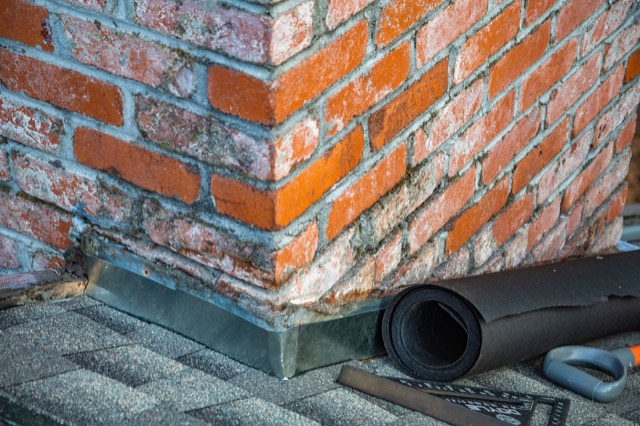
The usual suspects are well known to us. Cracked crown washes let rain seep in around the flue tiles. Missing or poorly fitted caps take water straight down the flue. On framed chimneys, a rusted or ponding chase top drips onto the wood structure below. Porous brick and open mortar joints soak up wind-driven rain like a sponge, and tired sealant at the roofline lets runoff duck under the shingles. Each entry point has a different permanent fix, and mistaking one for another is how people wind up paying for the same leak twice. Our free written estimate names the entry point we found and the specific repair that closes it.
A Closer Look


Why South Florida Rain Finds Pinecrest Chimneys
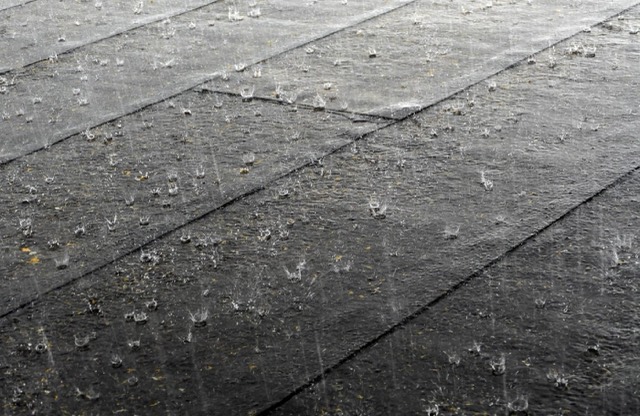
Pinecrest ranks near the top of the lower 48 for annual rainfall, and much of it arrives sideways. Summer thunderstorms and tropical systems drive rain horizontally against the chimney's windward face, forcing water into joints and cracks that an ordinary vertical shower would never touch. A chimney that stays dry through a gentle winter rain can leak badly during a June squall for exactly this reason. When we evaluate a leak, we consider wind direction and exposure, which face of your chimney absorbs the worst of the weather, because that context often points straight at the entry.
The village's oak and banyan canopy complicates things further. Overhanging branches hold shade and dampness against the masonry well past the end of a storm, so a chimney here can stay wet for days at a time: perfect conditions for efflorescence, moss at the shady base, and slow rot inside a wood-framed chase. On the 1950s-to-1970s homes common across Pinecrest, decades of these wet cycles have opened paths through original mortar that simply did not exist when the house was new. Local experience with these exact houses is what lets us find entries that out-of-area companies miss.
What's Included
Leak source tracing
We follow the water from the stain back to its origin, testing each suspect point on the stack so the fix lands on the true entry, not the nearest guess.
Crown crack sealing
Hairline and map cracking in the crown wash gets cleaned, then coated in a flexible waterproof membrane that flexes along with the masonry rather than splitting again.
Chase top repair and replacement
Ponding, rusted, or split chase tops on framed chimneys are repaired or replaced with properly pitched metal that moves water clear of the flue collar.
Masonry water sealing
Porous brick and open joints are repointed where needed and treated with a vapor-open water repellent that turns away rain without trapping interior moisture.
Cap fitting and replacement
A missing, undersized, or corroded cap gives water its quickest route into a flue; we fit caps that cover the opening fully and stay put in storm winds.
Interior damage assessment
We check the attic plus the ceilings and walls surrounding the chimney, so you know the full extent of the water's path before repairs begin.
Signs You Need It
- A brown or yellow ring on the ceiling close to the fireplace, darkening after heavy rain.
- Drips or mustiness in the firebox whenever summer storms roll through.
- Paint peeling or drywall blistering along the wall that hides the chimney's run.
- White mineral streaks (efflorescence) blooming on interior or exterior chimney brick.
- Water pooling on top of a framed chase, or rust trails running down its siding.
- A damp, earthy odor in the attic along the chimney's route, following a downpour.
How It Works
Trace the water path
We start at the visible damage and work backward (roof, crown, cap, chase, masonry, and the roofline transition) until the entry point is confirmed.
Written findings and estimate
You receive a free written estimate that identifies where the water gets in and lists the repair that closes it, with upfront pricing.
Seal the entry
We complete the repair. Crown sealing, chase top work, repointing, cap fitting, or a combination, using materials proven against Miami sun and rain.
Verify the fix
We water-test the repaired areas where practical and walk the interior spaces with you to confirm the path is closed.
Ready for honest chimney leak repair help?
Free written estimates · Upfront pricing · Same-day service available
Dry-Day Leaks, Storm-Only Leaks, and How a Water Test Pins Them Down
The most reliable way to find a chimney leak is a controlled water test, and the order matters. Water runs downhill past everything below the point where it is applied, so testing starts at the lowest suspect, usually the flashing on one side, with someone inside watching the ceiling, attic or firebox. After a set time with nothing showing, the hose moves up to the next zone, which means the other sides, the chimney faces, then the crown, then the cap. Only when one zone produces water inside is the entry treated as found. Starting at the top would wet every zone at once and prove nothing.
Water on the hearth on a dry day is rarely a leak at all. In an air-conditioned house the damper plate and firebox stay cool, while the flue above them fills with warm, wet outdoor air. When that air touches the cool metal it condenses, beads on the damper, rusts it, and drips onto the hearth, often worst in the height of summer when the air conditioning runs hardest. A cap and a water repellent do nothing for this. A damper that seals tightly, or a sealing damper mounted at the top of the flue that keeps outdoor air out of the chimney when closed, usually does.
Leaks that appear only in tropical storms and hurricanes come from wind pressure. Sustained wind drives rain up under flashing laps and into joints that shed ordinary storms without trouble, and it can blow rain through the side screen of a cap straight into the flue. If a chimney stays dry through summer squalls and leaks only in named storms, look at how much overlap the flashing pieces have, at the sealant along the top edge of the counter-flashing, and at the cap. A garden hose cannot recreate that pressure, so a water test may come up dry on these leaks. Better evidence is where the water showed up during the storm, noted at the time, plus a close look at the laps themselves.
The price of a leak repair rises with the number of entry points and the parts they sit in. Resealing a cap or a counter-flashing joint is at the modest end, while recasting a crown, rebuilding flashing on a tile roof, or replacing a rusted chase cover costs more. Hidden damage moves it most, such as wet roof decking around the chimney, soaked framing inside a chase, and ceilings that have to be opened and dried. A leak that needs testing in dry weather over more than one visit takes longer too. Ask for the estimate to name each entry point and its repair separately.
More Questions
Who should I call for a leak around my chimney?
Someone who will look at both the chimney above the roof and the roof junction around it. Most chimney leaks start in parts a roofer does not usually work on, such as the crown, the cap, the chase top or the masonry, while the flashing sits between the two trades. If the stain sits well away from the chimney, a roofer is the better first call. For water coming in right now, the 24/7 emergency line takes calls.
How do I fix a roof leak around my chimney before a storm?
Keep it inside and on the ground. Move furniture and rugs, catch the drips, and close the damper if water is reaching the firebox. Do not climb onto a wet or tile roof, and do not trowel roofing cement over the joint, since it has to be dug out later before a real repair. If the roof needs a temporary cover, leave that to someone equipped to work up there safely, then have the entry found and fixed once the weather clears.
Can a chimney leak lead to mold inside the wall?
It can, especially here, where humidity keeps wet materials from drying on their own. Drywall paper, wood framing and insulation in a chase that stay damp for days after each storm give mold what it needs. A musty smell near the chimney, soft or discolored drywall, and dark spotting along the ceiling line are the signs. Closing the entry and drying the cavity comes first, and any growth is then cleaned or the affected material replaced.
Frequently Asked Questions
Why does my chimney only leak during certain storms?
Direction matters. Wind-driven rain from one quarter can force water into a crack that stays dry in every other storm. If your leak appears only during summer squalls from the southeast, that is a clue about which face of the chimney is compromised, and it is among the first questions we will ask.
Could the stain on my ceiling be a roof leak instead of a chimney leak?
It can be, and we check. Because the chimney penetrates the roof, water from either source often surfaces in the same spot. Part of our tracing process is separating roof-plane problems from chimney problems, so you fix the right one.
Does a chimney leak count as an emergency?
During hurricane season it can be. An active leak in June has five months of heavy weather ahead of it, and saturated framing or drywall gets worse quickly. We keep a 24/7 emergency line for active leaks and offer same-day service when water is coming in.
Will sealing the brick alone stop my leak?
Only if porous masonry is actually the entry, and often it is not. Sealing brick over a split crown or a failed chase top hides the symptom for a season while water keeps moving underneath. We identify the entry first, then seal as one part of a complete fix.
How soon after the repair will I know the leak is fixed?
Usually after the first hard rain, which in Pinecrest rarely takes long. We water-test where practical before we leave, and our workmanship warranty covers the repair if the same entry point ever reopens.
Related Services
Chimney Leak Repair Around Pinecrest
Finding the Entry Point Before Anyone Seals Anything
A chimney leak is a tracking problem rather than a hole problem. Water gets in at one place, travels inside the assembly, and shows up somewhere else, so the ceiling stain is almost never directly under the defect that caused it.
There are five realistic entry points, and they fail in a rough order: the crown, the cap and its fasteners, the flashing line, the mortar joints on the weather side, and finally the masonry face once it has been wet long enough. We work that list rather than starting at the stain.
Timing is the best free diagnostic available. Water only after wind-driven rain, and only from one direction, points to flashing or a joint. Water after any sustained rain usually means the crown. Water that shows up a day or two later is masonry that saturated and is now giving it back.
Under canopy there is a sixth cause worth naming: debris packed against the stack that holds water in permanent contact with the brick. It is not a defect in the chimney at all, and no amount of sealing fixes it.
What we will not do is seal the visible crack and call it finished. Sealing an exit while the entry is still open just moves the water somewhere less convenient, and the next call costs more than this one.
Helpful Local Guides
All guides →Chimney Crown vs Cap: What's the Difference?
People often use crown and cap interchangeably, but they are two different parts doing two…
Read →GuideWhite Stains on a Chimney: What Efflorescence Means
If you have noticed a chalky white haze or powder on your brick chimney, that is efflorescence…
Read →GuideChimney Maintenance Checklist: What to Do Month by Month
Most chimney advice is written for places with real winters, which makes the schedules useless…
Read →