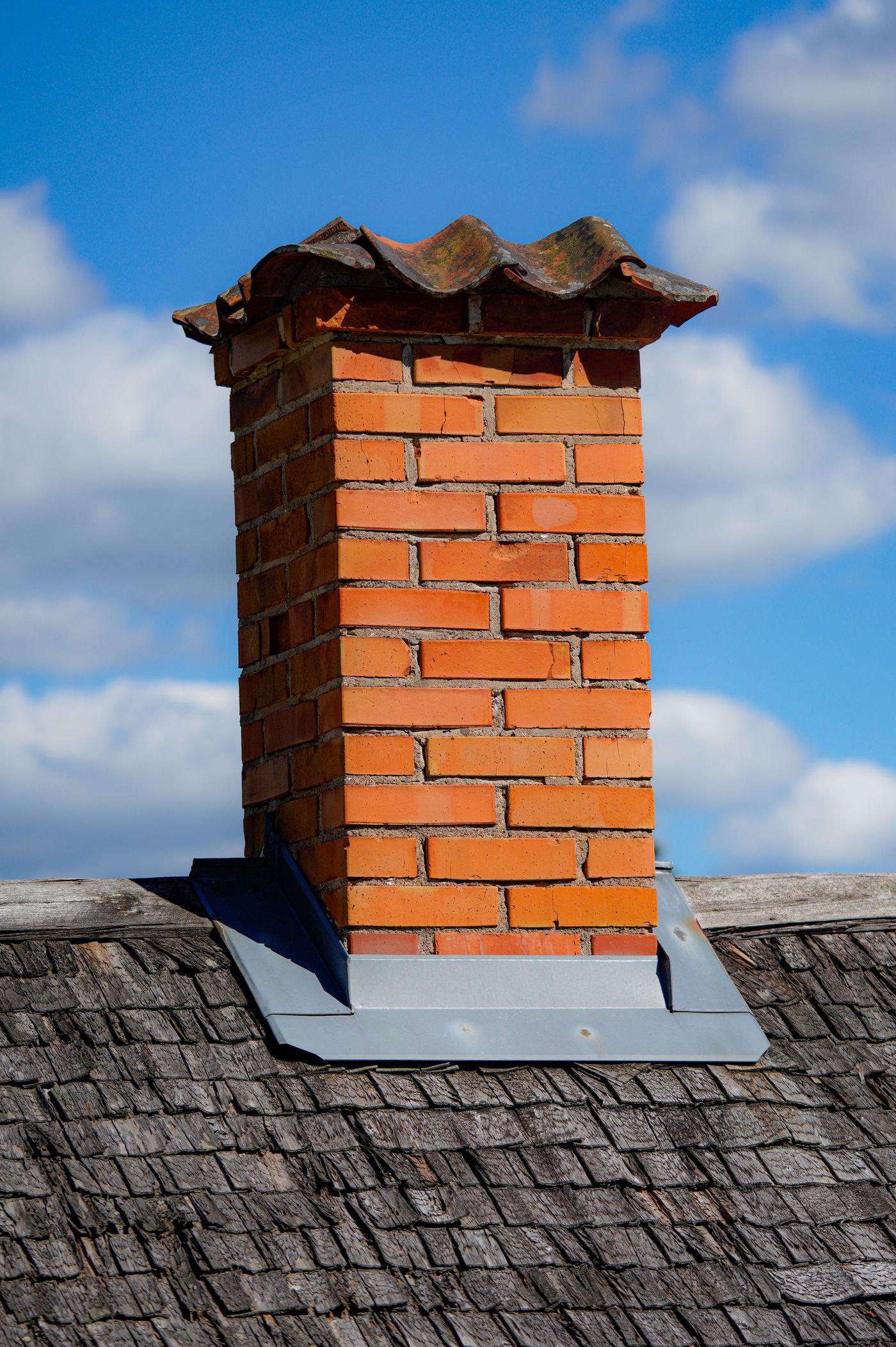
The standard advice about annual chimney sweeping was written for homes that burn fires all winter. In Pinecrest, where a fireplace might see a dozen evenings a year, the sensible schedule looks a little different, though sweeping still matters.

Creosote, the residue that sweeping removes, builds up in proportion to how much you burn. A home in a cold climate that runs fires nightly for months accumulates it quickly and genuinely needs yearly attention. A Pinecrest home that lights the occasional cool-evening fire builds it far more slowly.
That said, slower is not never. Even light use leaves residue, and a flue that sits idle through our long warm season can collect canopy debris and the odd animal. So the reason to sweep here is as much about clearing blockages and checking condition as about heavy creosote.
For a lightly-used Pinecrest fireplace, a sweep and check every couple of years is a reasonable rhythm, adjusted for how much you actually burn. If you use it more than average on cool evenings, closer to yearly makes sense. If it sits unused for long stretches, the check matters more than the cleaning.
The most useful time is before the cool season, so the flue is clear and ready when a cold front finally arrives. That timing also catches anything that moved in or blew down the flue over the summer, before you light the first fire.
Regardless of the calendar, some signs mean it is time now: a smoky room when you light a fire, a strong smoky or musty smell, a sluggish draft, or visible dark buildup at the flue opening. Any of these suggest a flue that needs clearing before the next fire.
A fireplace you are about to start using after years of no use is another case for a sweep and check first. You simply do not know what has accumulated or moved in, and it is easy to find out before rather than during a fire.
A sweep is also a chance to look the system over, the cap, the crown, the flue, the firebox, so problems get caught early. On an older Pinecrest chimney that is often where a small crown crack or worn mortar first gets noticed, well before it becomes a leak.
We will give you an honest read on how quickly your flue is actually accumulating buildup and suggest a schedule that fits your home and habits, rather than a one-size-fits-all rule made for a colder place.
Free written estimate · Upfront pricing · Same-day service available
Not usually. Yearly sweeping suits homes that burn fires all winter. For a lightly-used Pinecrest fireplace, every couple of years, adjusted to how much you burn, is a sensible rhythm, with a check before the cool season.
Before the cool season, so the flue is clear and ready when a cold front arrives. That timing also catches any debris or animals that arrived over the long warm months.
Have it swept and checked before lighting a fire. After years idle you do not know what has built up or moved into the flue, and it is easy to confirm it is clear first.