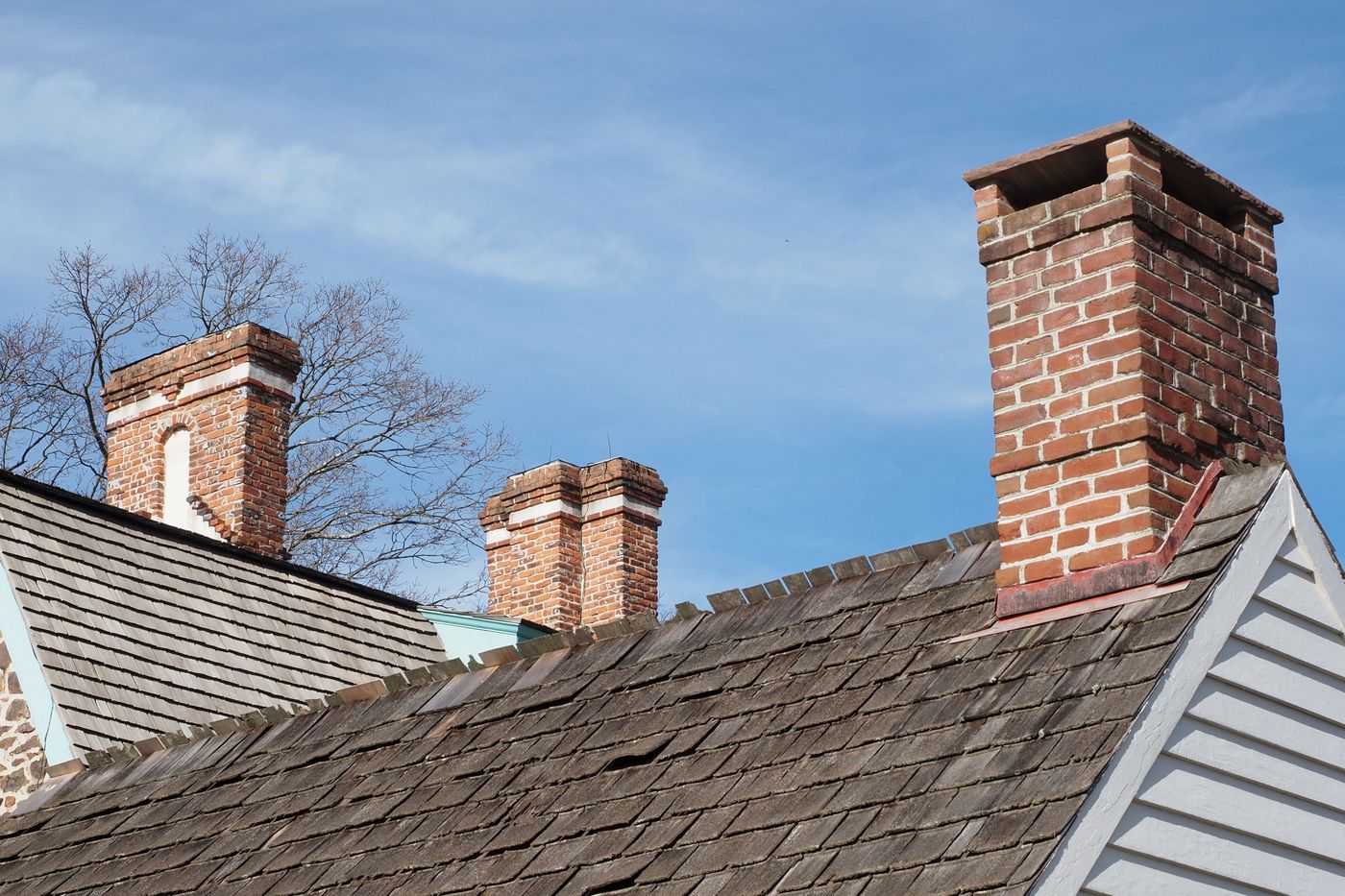
Between June and November, a chimney absorbs the full brunt of South Florida's weather. A little attention before the first named storm goes a long way toward keeping wind-driven rain out of your home and your masonry in one piece.

Your chimney is usually the highest and most weather-beaten masonry you own, and it has openings that the rest of the roof does not. When a summer system parks over Miami-Dade for hours, rain stops falling straight down and starts driving sideways at thirty or forty miles an hour. That wind pushes water at the flue opening, under the cap, and against every mortar joint on the windward side.
The pressure changes that come with a strong storm are their own problem. Gusts can lift a loose cap or peel back flashing that has been quietly working itself free for a season or two. Once the seal at the roofline breaks, water has a clear path down alongside the flue, and you often will not notice until a ceiling stain shows up weeks later.
Start at the top. The cap should sit firmly, the screen should be intact, and there should be no rust bleeding down the crown. The crown itself, the concrete slab at the very top, should be free of open cracks. Down at the roofline, the flashing should lie flat and tight where the chimney meets the shingles or tile, with no lifted edges or crumbling sealant.
On the sides, look for mortar joints that have gone soft or fallen out, and for that white powder called efflorescence, which is a sign the masonry is already holding water. None of it shows from street level, so it is worth having someone put eyes on the whole structure before the season gets busy rather than after a storm has already found the weak spot.
Most storm damage we see in Pinecrest traces back to something small that was left alone: a hairline crown crack that widened, a cap anchor that backed out, a strip of flashing that lifted a quarter inch. Sealing a crown, re-securing a cap, or re-bedding flashing is quick, inexpensive work compared with chasing a leak through a wall six months later.
Waterproofing the masonry with a breathable sealer is another low-effort step that pays off during a wet season. It lets the brick release moisture while blocking wind-driven rain from soaking in, which slows the freeze-free but relentless cycle of saturation and drying that breaks down South Florida chimneys over time.
Once it is safe, do a slow walk around the house and look up. Pieces of a cap or crown in the yard, fresh stains near the fireplace, or daylight where the chimney meets the roof are all signs the storm found a way in. Even without obvious debris, a chimney that took a direct hit is worth a look.
If you do spot damage, get it documented and dried out quickly. Water that sits in masonry keeps doing harm long after the rain stops, and a small repair caught early almost always beats the alternative. We answer our emergency line around the clock during storm season for exactly these situations.
Free written estimate · Upfront pricing · Same-day service available
Late spring is ideal, before the first systems form. That gives time to secure the cap, seal the crown, and re-bed any loose flashing while the weather is calm and scheduling is easy.
Yes. Strong gusts lift loose caps, peel back flashing that has already started to separate, and drive rain into openings that shed water fine in an ordinary shower. Wind is often what turns a minor weakness into an active leak.
Quick protective steps like securing a cap or sealing an obvious crown crack can still help, but the best results come from checking things over well before a storm is in the forecast. Call us and we will tell you honestly what can be done in the time you have.