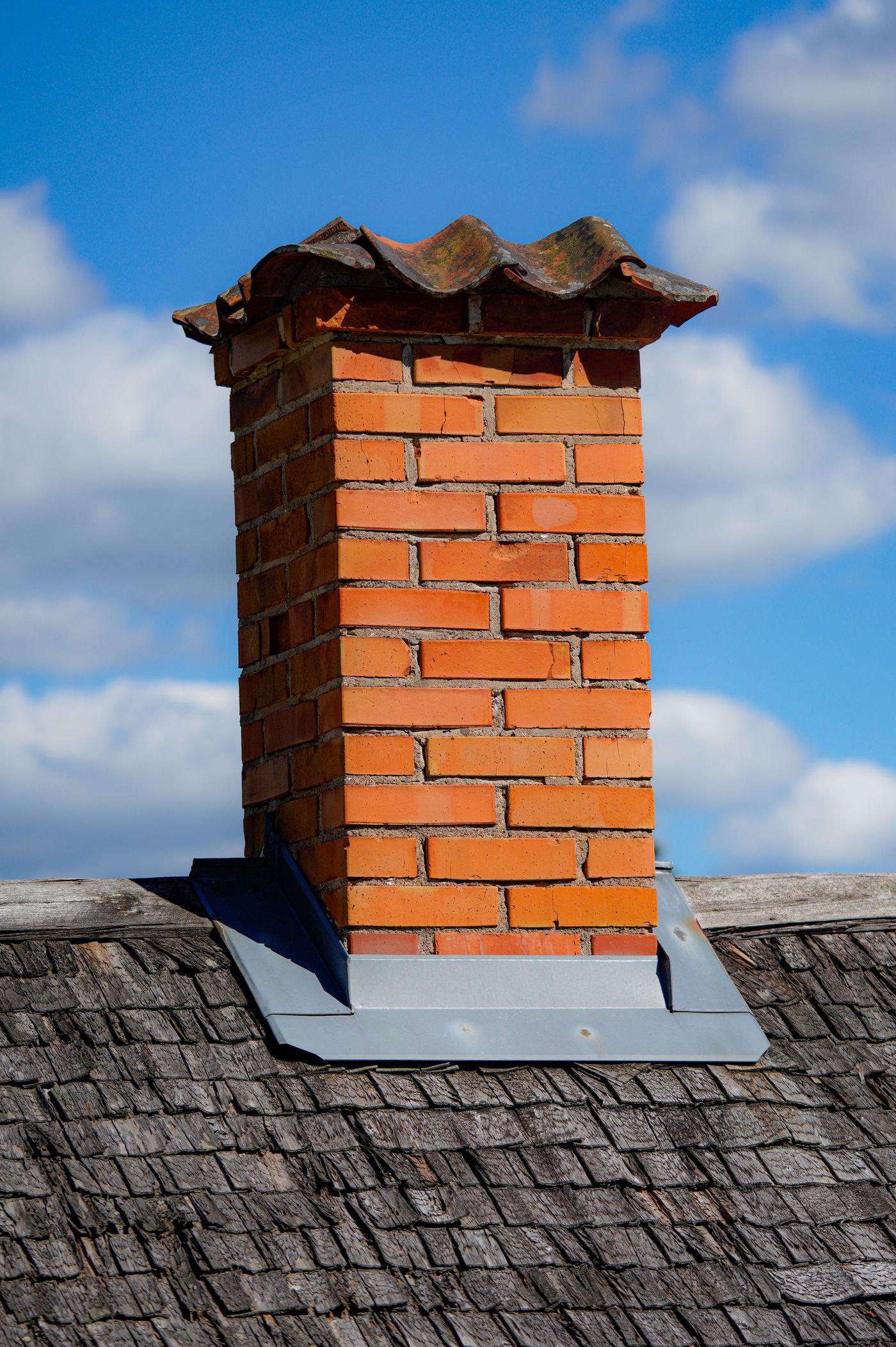
Waterproofing a chimney sounds like an upsell until you understand what our climate does to masonry. In Pinecrest, with heavy summer rain and salt in the air, it is often a genuinely worthwhile step, though not in every case.

Brick and mortar are porous. They soak up water during a long rain and release it as they dry. A proper chimney water repellent is a breathable sealer that blocks wind-driven rain from soaking in while still letting the masonry release any moisture already inside. It is not paint and it is not a coating that traps water.
That breathability is the key. A cheap film-forming sealer that traps moisture behind it can do more harm than good in a wet climate. The right product for a chimney lets the wall breathe, which is why the choice of material matters as much as the application.
Our summer storms drive rain sideways into the windward face of a chimney for hours at a time, and salt in the air adds its own slow damage. That repeated soaking and drying is what breaks masonry down over the years, loosening mortar and spalling brick. Slowing the water slows the whole cycle.
For a chimney that is already showing early moisture signs, or one that has just had its mortar and crown repaired, sealing the masonry helps protect the work and extend its life. It is preventive care that fits our climate well.
Waterproofing is not a fix for an active leak. If water is already getting in through a cracked crown, failed flashing, or open mortar joints, sealing the surface will not solve it, and can even trap the problem. Those repairs come first; the sealer protects afterward.
It also is not necessary on every chimney. Newer masonry in good condition may not need it yet, and a chimney with bigger problems has more urgent work to do first. An honest look tells you whether it is the right step for yours right now.
The sequence matters: repair any cracked crown, mortar, or flashing first, then apply a breathable repellent to sound masonry. Done in that order, waterproofing genuinely extends the life of a chimney in our climate. Done as a shortcut over existing damage, it disappoints.
We will tell you plainly whether your chimney would benefit, and we will not recommend sealing over a problem that needs a real repair. If it is the right step, it is a low-effort one that pays off through many wet seasons.
Free written estimate · Upfront pricing · Same-day service available
Only if the leak is the masonry itself wicking water. If water is entering through a cracked crown, failed flashing, or open joints, those must be repaired first; sealing over them will not solve the leak.
A proper chimney water repellent is breathable, so it blocks rain from soaking in while letting existing moisture escape. A cheap film-forming sealer can trap water, which is why the right product matters.
A quality breathable repellent lasts several years in our climate. We can tell you when yours is due based on the product used and the condition of the masonry.