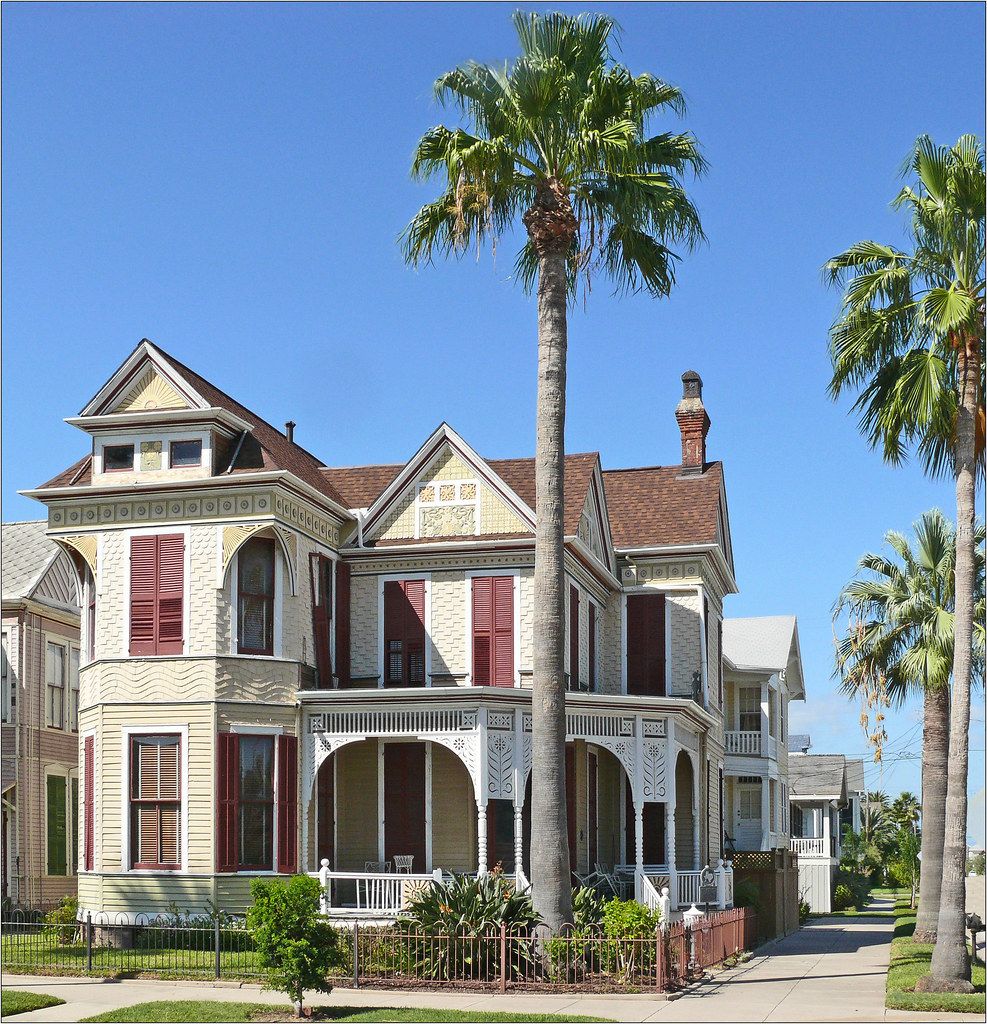
Renovation energy usually goes to kitchens, baths and floor plans, and the fireplace gets treated as a detail to sort out later. That ordering is backwards. The fireplace and its chimney are structure, venting and finish all at once, and decisions about them ripple into framing, roofing and layout. Settling those choices early keeps them from becoming expensive surprises mid-project.

The first decision is the biggest: does the fireplace stay as it is, get reworked, or come out entirely? Each path is legitimate, but they lead to very different projects. Keeping it means verifying the existing flue and structure can serve the new design. Reworking it — moving the opening, changing the surround, rethinking the fuel — can involve the chimney from firebox to crown. Removing it means structural questions, roof patching and a surprising amount of demolition, since chimneys are woven into the frame of a house.
What matters is that this decision is made on purpose, early, with the whole design team aware of it. We regularly get calls from mid-renovation households who discovered that the wall they wanted to open holds the chimney, or that the new roofline complicates the flue path. Every one of those calls would have been cheaper as a planning conversation. Whatever you choose, choose it before demolition begins, and put it on the drawings. A short site visit at the design stage answers most of these questions definitively.
A fireplace is the visible end of a vertical system, and that system constrains the design more than any other single element. The flue must run from the firebox to open air above the roof, and its path passes through framing, possibly a second floor, and the roof deck. If your renovation moves walls, raises ceilings, or reshapes the roof, the flue path has to be reconciled with the new geometry. Sometimes that is trivial; sometimes it quietly rules out an option the architect loved.
Height rules add another layer. The chimney must terminate high enough relative to the roof around it to draft properly, so changes to roof pitch or ridge height can require the stack to grow with them. Additions are the classic trap: a new second story beside an existing chimney can turn a fireplace that drafted beautifully for decades into one that smokes, especially once the afternoon breeze off the bay starts tumbling over the taller roofline. All of this is knowable in advance from the plans, which is exactly when you want to know it.
The aesthetic conversation has technical guardrails. Combustible materials — wood paneling, shiplap, floating shelves, a new mantel — must keep required distances from the firebox opening, and those clearances shape what the finished wall can look like. Tile, stone and plaster open more options close to the opening. None of this limits good design; it just needs to be in the design, rather than discovered by the installer after the material order arrived. The same goes for hearth dimensions, which set how far flooring materials can approach.
Think about the room's new life, too. If the renovation reorients the space toward a television wall or an open kitchen, the fireplace's role changes, and its size and placement might deserve a rethink rather than a re-trim. Some households discover mid-design that what they actually want is a smaller, cleaner fire feature in a different spot; others recommit to a grand hearth as the room's anchor. Either answer is fine. Reaching it early is what keeps the budget honest.
Chimney work has a natural place in the construction sequence: after demolition opens things up and before insulation and drywall close them in. That window is when flue repairs, relining, structural corrections and firebox work are cheapest and least disruptive, because access is free — the walls are already open. Miss the window and the same tasks later mean reopening finished surfaces, which nobody enjoys paying for twice. Tell your remodeler early that the chimney is in scope, so the schedule protects that window.
The final piece is protection during construction. Renovation dust is brutal on fireplaces; an uncovered firebox inhales drywall dust for weeks and exhales it for months. Have the opening sealed during the dusty phases and the flue checked before the big reveal. A renovation is also the perfect moment for upgrades — a better damper, a fresh cap, waterproofing while access equipment is already on site. Bundling that work into the project usually beats doing it as a standalone job later.
Free written estimate · Upfront pricing · Same-day service available
Not if the fireplace will ever burn again — it needs its full flue. Partial removal only works when the fireplace is being permanently retired, and even then the remaining structure has to be closed up correctly.
At the design stage, before drawings are final. A quick assessment of the existing flue and structure tells the design team what is possible and prevents mid-project surprises.
It can. Changes to roof height and nearby structure alter how wind moves over the chimney and whether it still meets height guidelines, which affects draft. It is worth checking on the plans.