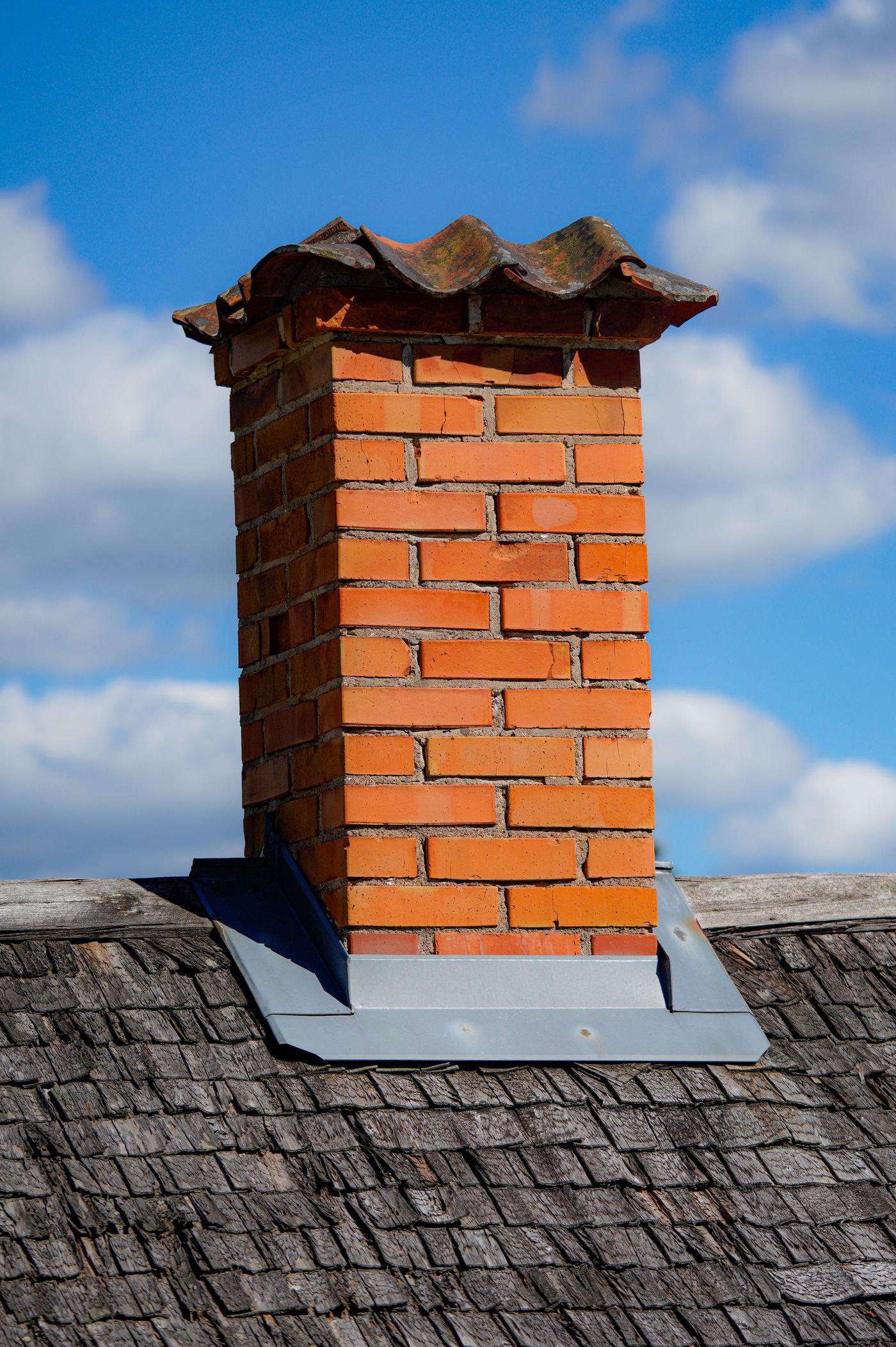
Pinecrest sits close enough to Biscayne Bay that the sea breeze carries a fine mist of salt inland every day. It is easy to miss, but the metal parts of your chimney feel it constantly, and over the years it changes how they need to be built and maintained.

You do not have to live on the water for salt to matter. The steady breeze off the bay carries airborne chloride several miles inland, and it settles on every exposed surface, including the top of your chimney. Rain rinses some of it away, but a lot of it stays, working into seams and sitting against metal day after day.
The homes closest to the water in areas like Palmetto Bay, Coconut Grove, and Coral Gables get the heaviest exposure, but even further inland in Kendall and Pinecrest, salt is a factor no chimney company should ignore. It is one of the reasons a part that would last decades in central Florida wears out faster here.
Metal takes the brunt of it. A galvanized cap or chase cover, common on older installations, can start rusting within a handful of years near the bay, and once the coating fails the rust spreads quickly. That rust does not just look bad; it bleeds down onto the crown and brick as ugly orange streaks and eventually eats through the metal entirely.
Flashing, the weatherproofing layer joining the chimney and the roof, is the other vulnerable spot. Salt accelerates corrosion at the fasteners and folds, which is exactly where the water seal lives. When the flashing gives out, the chimney starts leaking at the roofline, and the fix ends up being far larger than the strip of metal that failed.
The answer to salt is not fighting it but choosing metal that shrugs it off. Stainless steel and copper stand up to coastal air far better than galvanized steel, and while they cost more up front, they routinely outlast two or three cheaper caps in a bayside environment. For a home this close to the water, they are usually the sensible choice.
Masonry benefits from a breathable water repellent for the same reason. Salt-laden moisture that soaks into brick and then dries leaves salt crystals behind that push the surface apart from the inside. A proper sealer keeps that moisture from getting in while still letting the wall breathe, slowing the wear that coastal air causes.
The practical move is simply to look more often. A chimney near Biscayne Bay deserves a closer eye than one in a dry inland county, because the same part is aging faster. Catching a cap while it is only spotting with rust, rather than after it has rusted through, keeps a small swap from turning into crown and masonry repair.
When something does need replacing, it is worth spending a little more on materials rated for coastal use so you are not back at it in a few years. We will always tell you what a part is made of and why it matters for a home in your part of Miami-Dade.
Free written estimate · Upfront pricing · Same-day service available
Yes. The sea breeze carries salt well inland across south Miami-Dade, and it settles on your chimney's metal parts every day. It is a smaller effect than a waterfront home sees, but it still shortens the life of caps and flashing.
Stainless steel or copper. Both resist salt-air corrosion far better than galvanized steel and typically last much longer near the bay, which makes them the more economical choice over time.
A galvanized cap or chase cover is corroding, most likely accelerated by salt in the air. Once the coating fails the rust spreads and streaks the crown and brick. Replacing it with stainless or copper solves both the stains and the underlying decay.