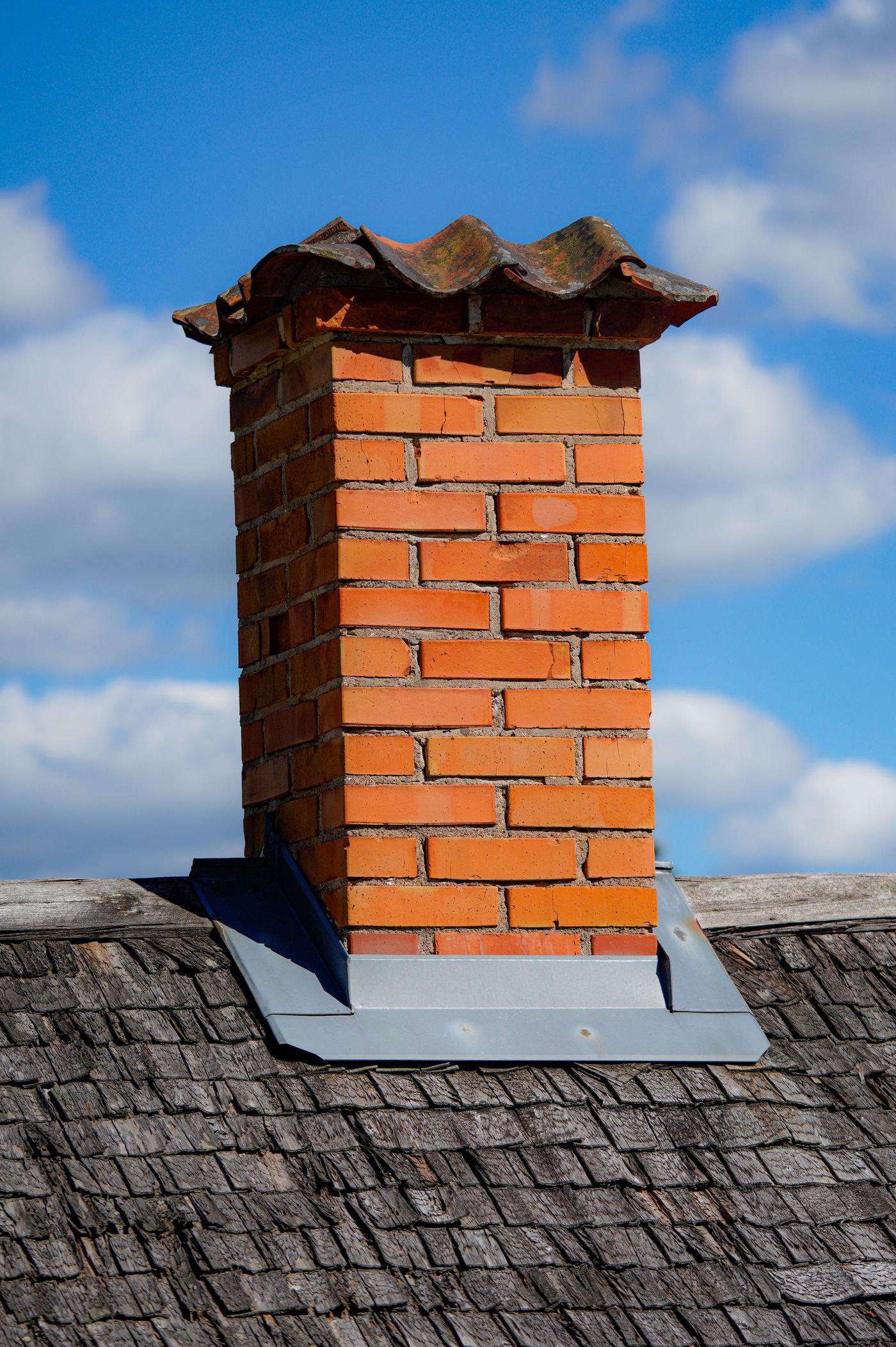
Pinecrest is known for its deep green canopy of oaks and banyans, and it is one of the best things about living here. It is also, if your chimney is open or poorly capped, a steady source of leaves, twigs, and the animals that use them.

A mature oak or banyan drops material year-round, and a lot of it ends up on the roof. An open or damaged flue acts like a funnel for all of it: leaves, small branches, seed pods, and the fine litter that packs down into a soggy mat at the bottom of the chimney. Over a season it can build up enough to block airflow and hold moisture against the masonry.
The heavy shade the canopy provides has a side effect too. A chimney that stays damp and shaded dries out slowly after our frequent rains, which encourages the kind of long-term moisture wear that breaks down crowns and mortar. Keeping debris out of the flue is one less thing holding water where you do not want it.
An uncapped flue under a thick canopy is an open invitation. Raccoons den in chimneys through the warmer months, birds build nests on the smoke shelf, and other small animals treat an open flue like a hollow tree. Beyond the mess and the smell, nests block the flue and can be a real hazard if the fireplace is used before anyone realizes they are there.
A properly sized cap with intact screening closes the door on all of it while still letting the chimney breathe. It is one of the least expensive parts of the whole system and one of the most useful, especially on a Pinecrest lot surrounded by mature trees.
Not every cap is equal. It needs to be sized correctly for the flue, anchored well enough to stay put through a storm, and made of metal that stands up to our salt-touched air. A cheap galvanized cap under a wet canopy tends to rust and clog; stainless steel holds up far longer and keeps the screen clear.
The screening matters as much as the lid. Mesh that is too coarse lets embers escape and small birds in, while mesh that is too fine clogs with the canopy's fine litter. The right cap balances spark protection, animal exclusion, and airflow so it keeps working season after season without constant attention.
Even a good cap needs the occasional check under a heavy canopy. Fine debris can build up on the screen over time, and a quick clearing keeps the draft strong. During a sweep or cleaning we look the cap over as a matter of course and clear anything the trees have left behind.
If your flue is open, or your cap is rusted, crushed, or missing its screen, closing that gap is one of the highest-value small jobs on a tree-shaded Pinecrest home. It keeps debris, rain, and animals out in a single step.
Free written estimate · Upfront pricing · Same-day service available
Under Pinecrest's heavy tree canopy, yes. An open flue collects leaves and twigs, holds moisture, and invites raccoons and birds. A properly sized, screened cap keeps all of it out while letting the chimney breathe.
Do not light a fire, since a nest in the flue is a hazard. Have the animal removed humanely and the flue cleared, then cap the chimney so it does not happen again. We handle removal and capping together.
It is worth a look during each sweep or cleaning. Fine canopy litter can build up on the screen and weaken the draft, and a quick clearing keeps everything working.