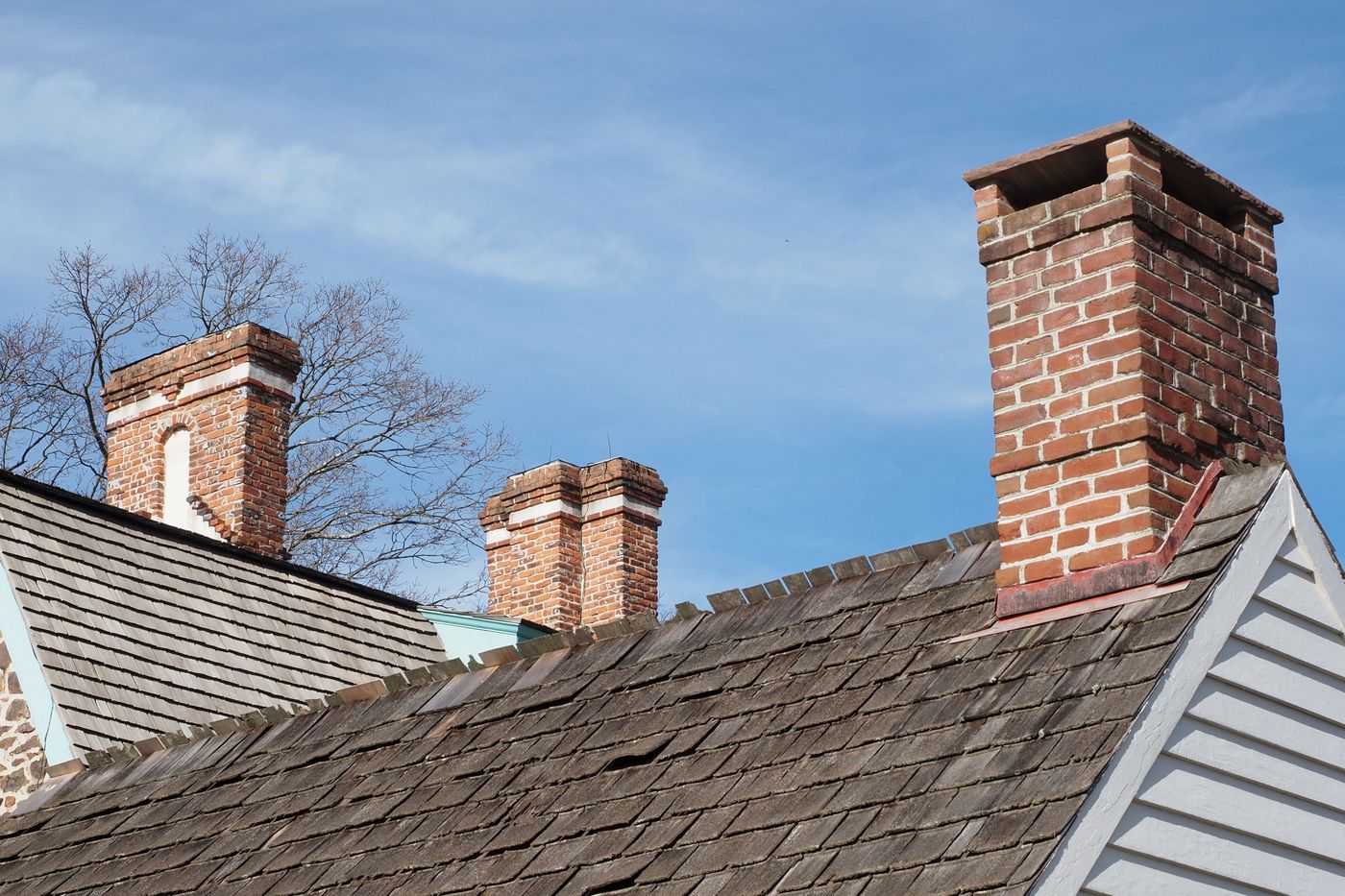
Rebuild is the word nobody wants to hear about their chimney, partly because few homeowners know what it actually entails. The reality is a methodical, well-understood process — closer to careful surgery than demolition. Here is the whole arc, from the decision through the first fire afterward, written for South Florida conditions, so the word loses some of its menace.

Rebuilds start where repairs stop making sense. Isolated trouble — one crown crack, a run of tired joints, some flaking faces — gets repaired. But when deterioration runs deep through a section, when the stack leans or has moved, or when a storm has broken the structure's integrity, patching becomes throwing good money after bad. The assessment looks at how far the damage goes into the wall, not just across its surface, because that depth is what separates a repair job from a rebuild.
Rebuilds come in sizes. A partial rebuild takes the structure down to sound masonry — often from the roofline up, since the exposed top weathers hardest in this climate — and reconstructs upward from that line. A full rebuild reaches deeper, sometimes to the smoke chamber or the base of the stack. The honest recommendation names the lowest tier that actually solves the problem; rebuilding more than necessary wastes your budget, and rebuilding less just schedules the next failure. We put the reasoning in a free written estimate either way.
Teardown is the part people picture wrong. There is no wrecking ball; there is staging, tarps, and masonry coming apart in the reverse order it went up. Protection comes first — roof surfaces shielded, landscaping covered, a clean route for debris. Then the stack is dismantled unit by unit down to the agreed stopping point, with the flue opening kept covered so nothing rains into the house mid-project. On most homes the teardown moves faster than people expect; it is the building back that takes the time.
What gets saved depends on condition and goals. Sometimes original brick can be cleaned and reused on the visible faces, which is the gold standard for preserving an older home's character. More often, age has made the old units too soft to trust, and the match happens with new material instead. Either way, the stopping point gets verified before construction resumes: the remaining masonry must be genuinely sound, because a rebuild sitting on questionable courses inherits their problems from day one.
The rebuild itself is bricklaying with high stakes. Courses go up level and plumb, joints get tooled to echo the originals, and the flue path is maintained — or upgraded — as the structure rises around it. Matching is the quiet art: new brick against a seventy-year-old house can announce itself badly if color, size and mortar tone are ignored. We sample and compare before ordering materials, because the difference between a rebuild that disappears into the house and one that shouts is decided right there.
The top deserves its own paragraph, because it is where most chimneys began failing in the first place. A rebuilt stack gets a properly formed crown — thick, sloped to shed water, overhanging the brick below so runoff drips clear of the faces. In this climate, and this close to the bay's daily weather, we also talk waterproofing at this stage, while everything is fresh and access is easy. The aim is bigger than putting back what stood before; it is correcting the details that let the weather win last time.
Masonry is not finished when the final course is laid; mortar wants curing time, and South Florida's weather writes the schedule. Summer downpours can interrupt work and stretch timelines, which is one reason the drier months are the comfortable season for rebuilds here. Once cured, the new structure gets its hardware: a coastal-rated cap installed, flashing rebuilt where the stack meets the roof, and the site cleaned to the point where the only evidence of the project is a better-looking chimney.
Then comes verification. The flue is confirmed clear and continuous, the damper operates as it should, and the first fires are kept small while everything settles into service. A rebuild done this way is not a patch on an old problem — it is a reset of the clock, with modern details standing between the structure and the next few decades of storms. Of everything we do, it is the job with the most steps, and also the one whose results last the longest.
Free written estimate · Upfront pricing · Same-day service available
It varies with scope and weather, but most partial rebuilds run days rather than weeks once work begins. Summer rain can stretch schedules, which is why the drier months are popular for this work.
That is the goal and the craft. Brick color, size and mortar tone get sampled and matched before ordering, and joint profiles are struck to mirror the original work.
No — the flue is opened up or covered during the work. Once the rebuild cures and passes its final checks, you are cleared to burn, starting with small fires.