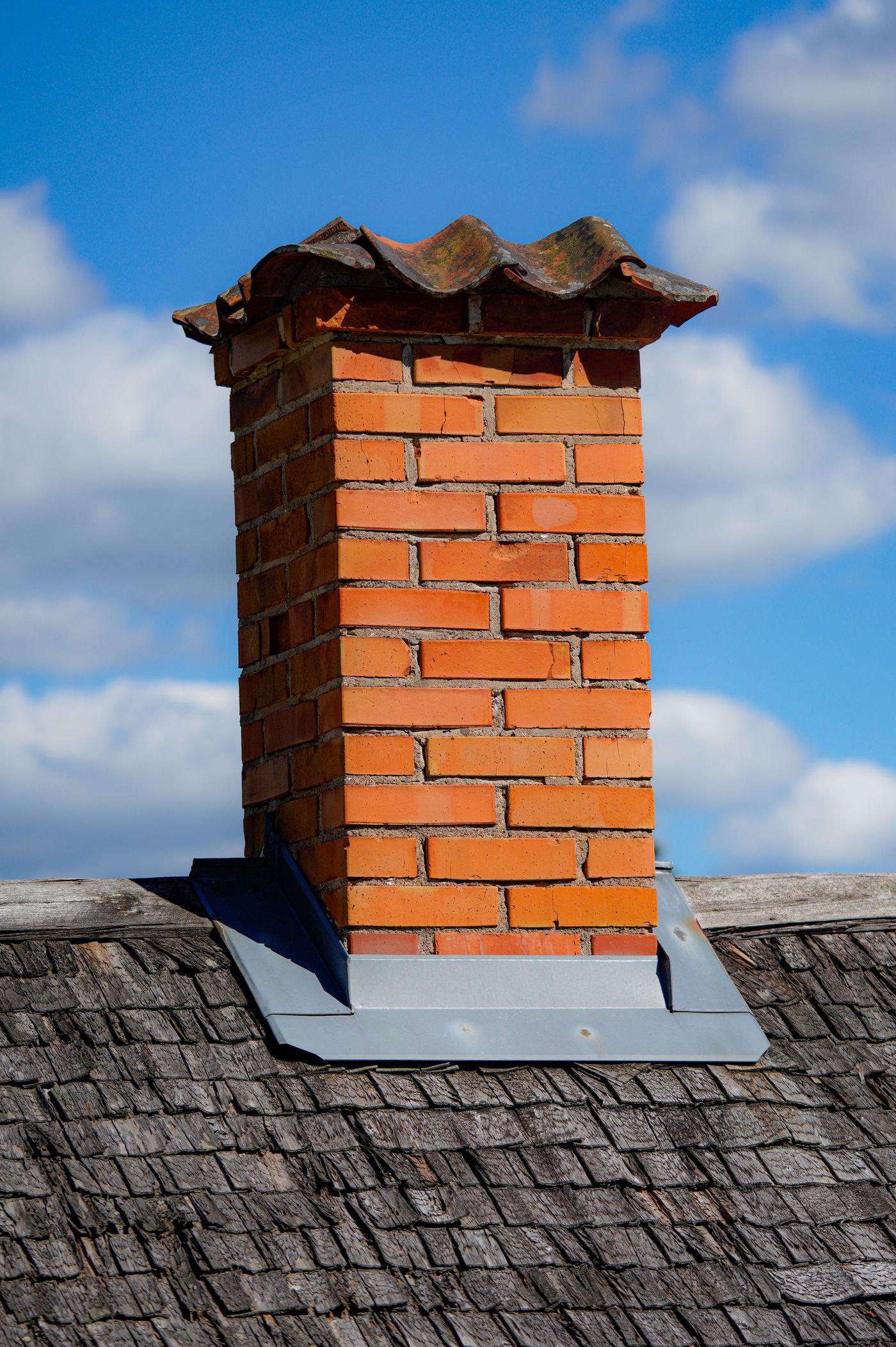
By June, most fireplaces in Pinecrest have been cold for months, and it is tempting to assume nothing is happening in there. The opposite is true. A South Florida summer turns an idle flue into a humid, sheltered column where moisture, chemistry and time work together quietly. Understanding that process is the key to opening the damper in December without regrets.

The inside of a chimney is shaded, still, and connected to the outdoors at both ends, which makes it behave like a slow-motion humidity trap. Muggy air drifts in at the top, cools slightly against the masonry, and gives up part of its moisture as a film of condensation on the flue walls. With no fire to bake it off and little airflow to carry it away, that film lingers. Day after day through a Miami summer, the flue interior stays damper than nearly every other corner of the house.
Temperature swings make it worse. Afternoon sun heats the chimney's exterior while the interior stays cool, and the nightly reversal wrings more moisture out of the air inside. None of this cycle is visible from the couch, but it means an idle flue is not resting — it is soaking. Homes that keep the damper open all summer, or that have no cap up top, run the cycle with fresh humid air delivered continuously, and closer to the bay that air brings its sea minerals along for the ride.
Steel and cast iron inside a chimney have no defense against months of dampness. The damper is the classic casualty: its plate and hinge sit right in the moisture zone, and by autumn it can be stiff, gritty, or frozen in place. Firebox grates, ash-door hardware and any exposed fastener follow the same path. The rust itself is fixable; the problem is that a corroded damper stops sealing well, which lets even more humid air circulate and speeds the whole process up.
Flue-mounted components deserve special mention. A metal chimney, or a metal liner inside a masonry stack, will show surface oxidation after a wet summer, and repeated seasons of it shorten the liner's working life. This is one reason a fall checkup pays its way in South Florida even for households that light just a few fires each winter: catching corrosion while it is cosmetic is easy, while catching it after it has eaten through something is a project with a much bigger scope.
Brick and mortar soak up airborne moisture as readily as they soak up rain, and inside the flue they get no sunshine to help them dry. Damp joints erode from within, and the sooty film left by past fires turns from a dry dusting into a moist, mildly acidic coating that clings to the flue walls. That chemistry works on clay tile and mortar alike, slowly etching surfaces that stay wet for long stretches. It is a gentle attack, but it gets an uninterrupted five-month season to work with, every single year.
The other tell is staining. Moisture migrating through the structure can carry dissolved minerals to the surface, leaving pale deposits on interior brick or above the fireplace opening. Existing hairline cracks widen a little each season as damp masonry expands and contracts. None of it arrives as a sudden failure; it arrives as a chimney that ages several years for every calendar year, which is exactly what a bit of summer attention is meant to prevent.
The off-season routine is short. Close the damper once burning season ends so the flue is not inhaling humid air all summer, and have the residue of the past season cleaned out rather than letting it sit damp until fall. Make sure the cap up top is intact, since a missing or torn cap adds rainwater to a column that already has all the moisture it needs. Those three steps remove most of what summer uses against the chimney, and none of them takes long.
Then, before the first cool evening tempts you, have the system looked over. A pre-season check confirms the damper moves freely, the flue is open and sound, and nothing corroded through the wet months. It is a modest bit of scheduling that pays off the first night a cold front comes through and you want a fire without a second thought. We keep fall calendars open for exactly this reason, and free written estimates make the follow-up decisions easy to weigh.
Free written estimate · Upfront pricing · Same-day service available
Closed. Left open, the damper invites humid outdoor air to move through the flue all season, feeding condensation and rust. Close it once you are done burning and open it again at your fall checkup.
Yes. Moisture condenses inside the flue, rusts the damper and other metal, keeps old residue damp and acidic, and slowly works on mortar. Idle does not mean protected in South Florida.
Spring is ideal, because it removes the residue before it spends a humid summer stewing in the flue. If spring slipped by, a fall visit ahead of your first fire is the next best option.