Proudly American · Family-Owned & Operated Call (786) 462-9144
PinecrestChimney Call (786) 462-9144
Pinecrest · Chimney Guide

Why Chimneys in Pinecrest Leak When It Rains

A chimney that stays dry all winter and then leaks the moment the summer rains arrive is one of the most common calls we get in Pinecrest. The good news is that the cause is almost always one of a short list of things, and each of them is fixable.

Call (786) 462-9144

4.8/5 · Trusted by Pinecrest homeowners

  • Family-Owned & Operated
  • Free Written Estimates
  • Upfront Pricing
  • Same-Day Service Available
Get a Free Written EstimateTakes about 30 seconds · No obligation
Same-day service available · Upfront pricing

It is usually the top or the roofline

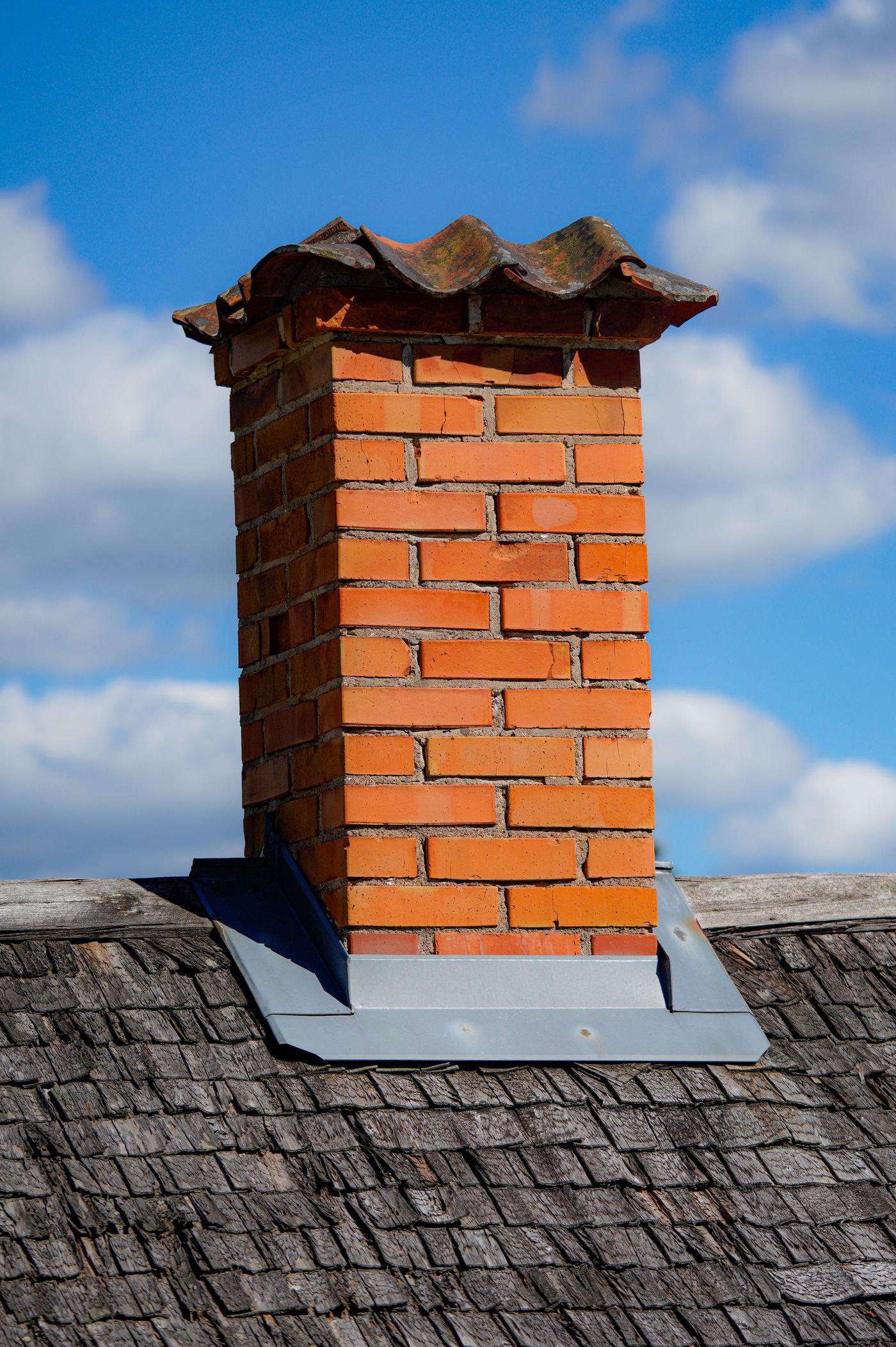
When water gets into a chimney, it is coming in from the top, from the roofline, or through the masonry itself. The top means the cap and the crown: a missing or damaged cap lets rain fall straight down the flue, and a cracked crown lets it seep into the very top of the structure. Both are common and both are straightforward to address.

The roofline means the flashing, the metal weatherproofing where the chimney comes up through the roof. This is far and away the leading cause of chimney leaks anywhere, and our wind-driven summer storms are hard on it. When flashing lifts or its sealant fails, water runs down alongside the chimney and shows up as a stain on the ceiling near the fireplace.

A local team is minutes awayReading up is smart — a free written estimate from a local Pinecrest team is smarter.

The masonry can be the path too

Brick and mortar are not fully waterproof, and after years in our climate they can absorb enough water during a long storm to let it pass through to the inside. Eroded mortar joints and hairline cracks make it worse by giving water an easy route. This kind of leak is sneaky because there is no single hole to point at; the whole windward face is wicking water.

A breathable water repellent is the usual answer once any cracked joints are repaired. It stops the masonry from soaking up wind-driven rain while still letting it dry out, which both cures the leak and slows the long-term wear that our wet season causes.

Why summer is when you notice

South Florida's summer storms are not gentle. They bring heavy volume and strong wind at the same time, which is the exact combination that finds every weakness at once. A cap or crown or flashing problem that shed a light winter shower without trouble simply cannot keep up with a July downpour driven sideways by thirty-mile-an-hour gusts.

That is why the leak seems to appear out of nowhere. The weakness was usually there for a while, but it took a real storm to reveal it. It is also why fixing the problem before the wet season is easier than chasing it during.

Finding the real source

The trick with chimney leaks is that the stain rarely sits directly under the entry point. Water travels along framing and masonry before it shows itself, so the wet spot on the ceiling might be feet away from where the rain actually got in. Guessing leads to sealing the wrong thing and a leak that comes right back.

The reliable approach is to examine the whole system, cap, crown, flashing, and masonry, and identify where the water is truly entering before doing any repair. That is how a leak gets fixed once instead of three times. If your chimney is leaking, we will find the actual source rather than just treating the stain.

Rather have us take a look?

Free written estimate · Upfront pricing · Same-day service available

Frequently Asked Questions

Why does my chimney only leak in heavy rain?

Our summer storms combine heavy volume with strong wind, which overwhelms weaknesses that shed a light shower without trouble. A cap, crown, or flashing issue that seemed fine can leak badly once rain is driven sideways at it.

The stain is not right under the chimney. Why?

Water travels along framing and masonry before it shows, so the visible stain is often feet from where the rain actually entered. That is why finding the true source matters before doing any repair.

What is the most common cause of a chimney leak?

Failed flashing at the roofline is the most common source anywhere, and our wind-driven storms are especially hard on it. Cap, crown, and porous masonry are the other usual culprits.

Related Services

Call Now