Is waterproofing your chimney worth it?
Waterproofing a chimney sounds like an upsell until you understand what our climate does to masonry. In Pinecrest, with heavy summer rain and salt in the air, it is often a genuinely worthwhile step, though not in every case.
- Family-Owned & Operated
- Free Written Estimates
- Upfront Pricing
- Same-Day Service Available
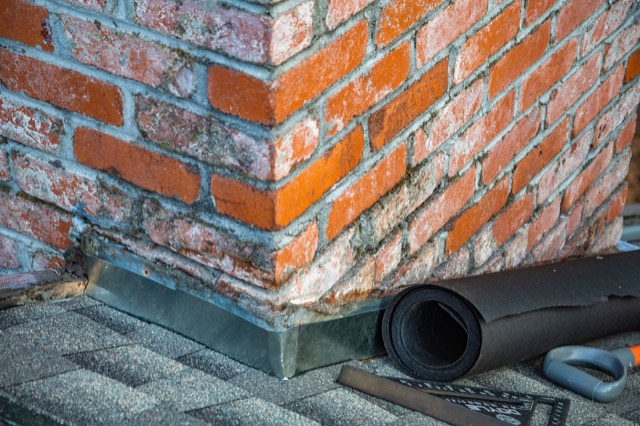
Waterproofing is worth it on sound masonry in South Florida, where wind-driven rain and salt air soak a chimney and break the mortar and brick down over the years. A breathable water repellent blocks rain from soaking in while letting trapped moisture escape. Sealer is not a fix for an active leak, so a cracked crown, failed flashing, or open joints get repaired first.
What waterproofing actually does
Brick and mortar are porous. They soak up water during a long rain and release it as they dry. A proper chimney water repellent is a breathable sealer that blocks wind-driven rain from soaking in while still letting the masonry release any moisture already inside. It is not paint and it is not a coating that traps water.
That breathability is the key. A cheap film-forming sealer that traps moisture behind it can do more harm than good in a wet climate. The right product for a chimney lets the wall breathe, which is why the choice of material matters as much as the application.
Why it makes sense here
Our summer storms drive rain sideways into the windward face of a chimney for hours at a time, and salt in the air adds its own slow damage. That repeated soaking and drying is what breaks masonry down over the years, loosening mortar and spalling brick. Slowing the water slows the whole cycle.
For a chimney that is already showing early moisture signs, or one that has just had its mortar and crown repaired, sealing the masonry helps protect the work and extend its life. It is preventive care that fits our climate well.
When it is not the answer
Waterproofing is not a fix for an active leak. If water is already getting in through a cracked crown, failed flashing, or open mortar joints, sealing the surface will not solve it, and can even trap the problem. Those repairs come first; the sealer protects afterward.
It also is not necessary on every chimney. Newer masonry in good condition may not need it yet, and a chimney with bigger problems has more urgent work to do first. An honest look tells you whether it is the right step for yours right now.
Doing it right
The sequence matters: repair any cracked crown, mortar, or flashing first, then apply a breathable repellent to sound masonry. Done in that order, waterproofing genuinely extends the life of a chimney in our climate. Done as a shortcut over existing damage, it disappoints.
We will tell you plainly whether your chimney would benefit, and we will not recommend sealing over a problem that needs a real repair. If it is the right step, it is a low-effort one that pays off through many wet seasons.
Rather have us take a look?
Free written estimate · Upfront pricing · Same-day service available
Does Your Chimney Need a Repellent? A Splash Test, the Finish and the Exposure
A simple splash test shows whether bare masonry is drinking water. On a dry afternoon, splash or spray a little water on any part of the chimney you can reach from the ground, on more than one face. If the brick darkens and the water disappears within moments, the surface is absorbent, and a repellent would change how it behaves in a storm. If the water beads and runs off, an earlier treatment is still working, and another coat now buys little. Results often differ between faces, since the side facing the storms wears through first.
The finish decides which product, if any, applies. A clear water repellent is built for bare, absorbent masonry, and on exposed brick, block or unpainted stucco it soaks into the pores and does its job. It is not made to go over paint or film coatings, so on a chimney painted to match the house the paint is already the water barrier, and its condition is what counts. A framed chase clad in stucco or siding is different again. It stays dry through a sound skin, sealed seams and a tight chase top, not through anything sprayed on its faces.
How much benefit you get depends on exposure. A stack that runs down an outside wall to the ground, on a lot open to the storms or close to the water, takes far more driven rain than a short chimney sheltered by a taller roof or trees. Condition decides whether it is worth doing yet. Masonry about to be rebuilt, open joints, cracks wider than a hairline, and a crown or flashing that is leaking all come first, since a repellent does not close gaps. Treating over those problems mostly makes the chimney look finished while the water carries on.
Surface and preparation drive the cost more than the product does. Height, the number of exposed faces, and how much of the stack runs below the roof line set the area. Very absorbent masonry takes more material. Cleaning off white bloom or algae, fixing joints and coating the crown each add to the estimate, and a two-story roof or tile around the chimney slows access. Weigh that against what the water would cost otherwise, in repointing sooner, flaking brick faces and stained ceilings. On a bare, storm-facing chimney in good repair, that comparison usually favors doing it.
More Questions
Why does one side of my chimney stay darker after rain?
That face is taking in more water than the others. It is often the side that faces the storms, where rain hits hardest and any earlier treatment has worn thin first. Darkness that starts at the top and fades lower down points instead to water arriving from above, at the crown or past the cap. A face that stays dark for a day or more after the rest has dried is the one to test first and the one that gains most from a repellent, once any cracks or open joints on it are repaired.
Was my chimney already waterproofed, and how would I know?
Wet it and watch. Treated masonry makes water bead up and roll off, while untreated or worn-out masonry darkens as the water soaks in. Check the face that takes the storms and a sheltered face too, because a treatment wears thin first where the weather hits hardest. If you have paperwork from an earlier job, the product name and date help judge how much life it had left.
Does waterproofing cover the chimney crown?
Not with the same product. A penetrating repellent is made for the vertical faces of the masonry. The crown is a sloped slab that holds water longer and moves with the flue tile, so a sound crown gets a flexible crown coating instead, and a cracked-through one gets repaired or replaced first. When an estimate lists waterproofing, check whether it includes the crown or covers only the faces.
Frequently Asked Questions
Will waterproofing stop my chimney from leaking?
Only if the leak is the masonry itself wicking water. If water is entering through a cracked crown, failed flashing, or open joints, those must be repaired first; sealing over them will not solve the leak.
Does waterproofing trap moisture in the brick?
A proper chimney water repellent is breathable, so it blocks rain from soaking in while letting existing moisture escape. A cheap film-forming sealer can trap water, which is why the right product matters.
How often does a chimney need re-sealing?
A quality breathable repellent lasts several years in our climate. We can tell you when yours is due based on the product used and the condition of the masonry.